

By Maria DeJong
With the continuous rise of social media, since the early 2000’s, trends have been changing as fast as winter break flies by. During Covid-19 After the return back to in-person school, the common clang of water bottles seemed to be a teacher’s equivalent of nails on a chalkboard. But students were just following CDC guidelines, recommending individuals to stay fully hydrated at all times without sharing the public water foundations.
The first popular trend of water bottles can be traced back to 1990 when Nalgene and Contigo water bottles were on the rise. Camelbak followed until 2015 when S’well swooped in for a short reign. Upon the return to in-person school, Hydroflasks and Yetis were all the rage. Around the same time, in 2022, water bottles started to develop into a symbol of popularity rather than simply their original function of holding water. Overconsumption prices spiked as teens and young adults sought to grow their collection of overpriced H2O holders. The craze only heightened in intensity with the introduction of the Stanley.
Over the past few years, Stanley has largely retained its popularity, joined closely by Owala. If you take a quick look around one of Springfield High School’s classrooms while students are engrossed in learning, you are guaranteed glimpses of an Owala or a Stanley. But as history has proved over and over again, trends change quicker than you can keep up with them. Sure, Owalas have given Stanleys quite a fight, but both will undoubtedly lose their captivating pull soon enough. As we jump into a new year, questions soon arise. How many people will actually follow through with their resolutions? How many people chose resolutions with the intention of improved health, such as drinking more water? What water bottle will the majority of the population use to drink more water in 2026? Only time will tell.
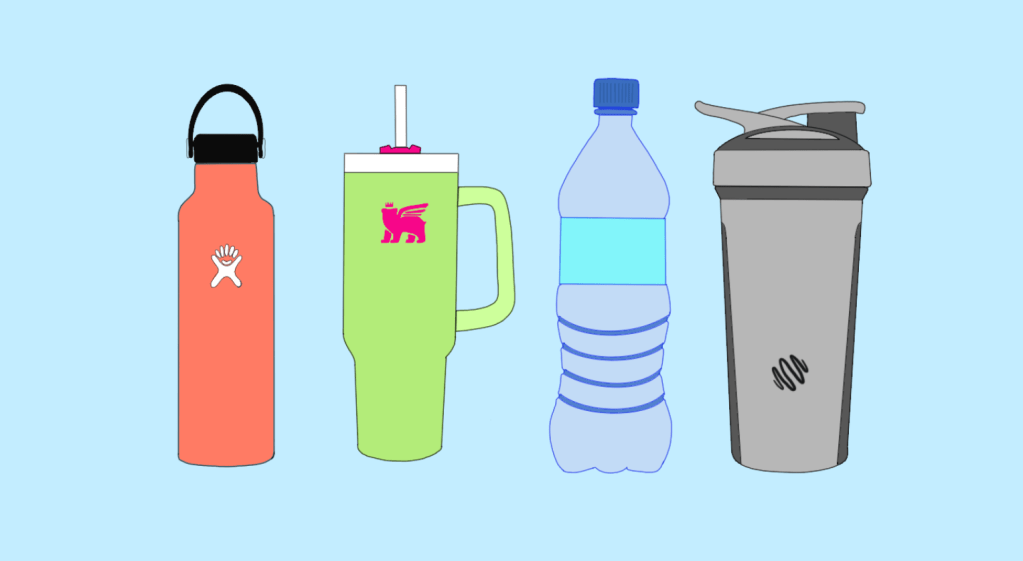
Courtesy of BC Heights
 The Senator Newspaper